Introduction
A Beginner’s Guide to Starting Search Engine Optimization is an important topic for anyone who wants to grow a website or online business in today’s digital world. In today’s digital world, having a website alone isn’t enough.There are millions of websites online, and businesses constantly compete to appear at the top of search engine results. This is where SEO plays a crucial role.The introduction to SEO is one of the most important topics for beginners who want to understand how websites rank on search engines.
SEO is not just for experts or large companies.
What is search engine optimization?
SEO stands for Search Engine Optimization. It is a digital marketing technique used to improve a website’s position in search engine results pages (SERPs). The main goal of SEO is to attract organic traffic, which means visitors who come from unpaid search results. SEO is the process of optimizing website content, structure, and performance to make it easier for search engines to understand and rank the website.
When users search for information online, search engines display the most relevant and useful results.
How Beginners Can Start SEO?
Starting SEO as a beginner can seem overwhelming, but learning step by step makes the process easier.
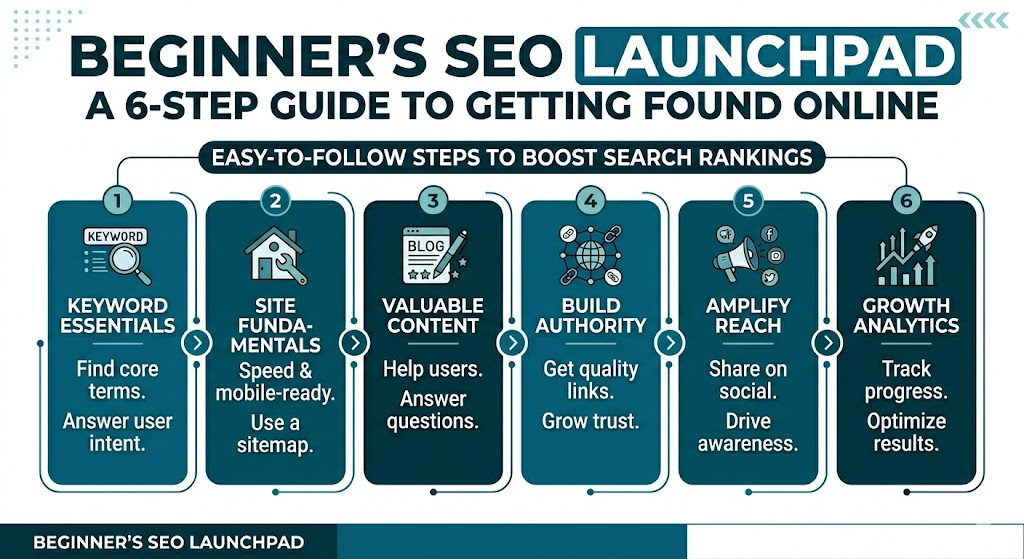
The first step is understanding how search engines work and learning the basics of keyword research, content creation, and website optimization.
Beginners should start by:
- Choosing a website niche
- Learning keyword research
- Creating quality content
- Optimizing website structure
- Improving website speed
- Understanding SEO tools
Why is SEO Important?
SEO is important because it helps websites gain visibility and reach the right audience. Most people click on websites that appear on the first page of Google. Without SEO, your website may remain hidden from users.
Here are some key benefits of SEO:
1) Increased Website Traffic
SEO helps attract more visitors through organic search results.Higher rankings usually lead to more clicks and traffic.
2) Better User Experience
Good SEO practices improve website speed, navigation, and content quality, creating a better experience for users.
3) Builds Trust and Credibility
Websites that rank higher are often considered more trustworthy by users.
4) Cost-Effective Marketing
Unlike paid ads, SEO provides long-term results without continuous advertising costs.
5) Higher Conversion Rates
Targeted SEO strategies bring visitors who are already searching for your products or services.
Why Consistency is Important in SEO?
- Better Google Understanding
Search engines can clearly understand your website niche.
- Higher Rankings
Consistent topics improve topical authority and SEO performance.
- More Targeted Audience
Visitors interested in SEO will keep returning for similar content.
- Builds Website Authority
Your website becomes trusted in one specific field.
“Consistency is important in SEO because search engines prefer active and regularly updated websites.”
Results of SEO in Today’s Time
SEO results in 2026 depend on effort and strategy.
Short-Term SEO Results (1–3 Months)
During the first few months of SEO, websites usually begin showing early signs of improvement.
Search engines start crawling and understanding the website structure, content, and target keywords more effectively.
Medium-Term SEO Results (3–6 Months)
After several months of consistent SEO work, websites often begin achieving noticeable growth in rankings and traffic.
Search engines start recognizing the website as more active and trustworthy.
Long-Term SEO Results (6–12 Months+)
In 2026, long-term SEO success depends heavily on user-focused content, website experience, topic consistency, and overall trustworthiness. Websites that continuously provide valuable information are more likely to maintain strong rankings and sustainable digital growth.
Common SEO Mistakes to Avoid
Beginners often make SEO mistakes that can hurt rankings.

Avoid these mistakes:
- Keyword stuffing
- Duplicate content
- Ignoring mobile optimization
- Slow website speed
- Poor-quality backlinks
- Missing meta descriptions
- Not updating content
Learning from mistakes is part of improving SEO skills.
Pillars Of SEO:
SEO pillars are the main foundations of Search Engine Optimization.
These pillars help websites improve rankings, traffic, and visibility.
1) On-Page SEO
On-page SEO focuses on optimizing content and elements inside the website.
These pillars help websites improve rankings, traffic, and visibility.
1) On-Page SEO
On-page SEO focuses on optimizing content and elements inside the website.
Includes:
- Keyword optimization
- SEO titles
- Meta descriptions
- Heading structure
- Internal linking
- Image optimization
- Quality content
Goal:
Help search engines understand webpage content clearly.
2) Technical SEO
Technical SEO improves website performance and crawlability.
Includes:
- Website speed optimization
- Mobile responsiveness
- HTTPS security
- XML sitemaps
- Fixing broken links
- Structured data
- Clean website architecture
Goal:
Help search engines crawl and index the website efficiently.
3) Off-Page SEO
Off-page SEO focuses on building website authority outside the website.
Includes:
- Backlink building
- Guest posting
- Social sharing
- Brand mentions
- Online reputation
Goal:
Increase trust and authority in Google’s eyes.
4) Content SEO
Content SEO focuses on creating valuable and helpful content for users.
Includes:
- Blog articles
- Informative guides
- Keyword-focused writing
- User intent optimization
- Topic consistency
Goal:
Provide useful information that satisfies users and ranks well.
5) User Experience (UX)
In 2026, user experience has become a major SEO pillar.
Includes:
- Easy navigation
- Fast loading speed
- Mobile-friendly design
- Readable content
- Clean layout
Goal:
Keep users engaged and satisfied on the website.
Why SEO Pillars are Important
Strong SEO pillars help:
- Improve Google rankings
- Increase organic traffic
- Build website authority
- Improve user experience
- Grow online visibility
- Achieve long-term SEO success
A successful SEO strategy combines all these pillars together rather than focusing on only one area.
Future of SEO
SEO continues to evolve as search engines become smarter.Artificial intelligence, voice search, and user experience are becoming more important in ranking websites.
Future SEO trends include:
- AI-powered search
- Voice search optimization
- Video SEO
- Core Web Vitals
- User-focused content
Businesses and bloggers who adapt to new SEO trends will stay competitive online.
Conclusion
Beginners should focus on learning keyword research, creating quality content, improving website structure, and providing a good user experience.By applying the right SEO techniques and staying updated with industry trends, anyone can build a strong online presence and achieve digital success. SEO is not just about rankings; it is about helping users find useful information easily. With patience, practice, and continuous learning, beginners can successfully start their SEO journey and grow their websites effectively.