Introduction
Social Media Marketing has become one of the most powerful digital marketing methods for businesses of all sizes. From small startups to global brands, companies use Social Media Marketing to connect with customers, build brand awareness, promote products, and increase sales. Platforms such as Facebook, Instagram, LinkedIn, TikTok, and X allow businesses to interact directly with their target audience in real time.
In today’s competitive digital world, businesses cannot ignore the importance of Social Media Marketing. A strong social media presence helps companies build trust, attract customers, and improve online visibility.

What is Social Media Marketing?
Social Media Marketing is the process of using social media platforms to promote products, services, or brands. It includes creating content, sharing posts, running advertisements, engaging with followers, and analyzing performance to improve results.
The main purpose of Social Media Marketing is to connect with people where they spend most of their online time. Businesses use social media to:
- Increase brand awareness
- Drive website traffic
- Generate leads
- Improve customer relationships
- Boost sales and conversions
- Build a loyal community
Why is Social Media Marketing Important?
Modern customers spend hours daily on social media platforms. This makes Social Media Marketing one of the best ways to reach potential customers. Businesses can directly communicate with audiences, answer questions, and build trust.
Here are some key benefits of Social Media Marketing:
| Benefits of Social Media Marketing | Explanation |
| Brand Awareness | Helps businesses become more visible online |
| Customer Engagement | Allows direct interaction with customers |
| Cost-Effective Marketing | Many strategies are affordable compared to traditional advertising |
| Lead Generation | Helps attract potential buyers |
| Better Customer Support | Businesses can respond quickly to customer questions |
| Increased Website Traffic | Social platforms drive visitors to websites |
| Higher Sales | Strong marketing campaigns increase conversions |
How to Create an SMM Strategy in 9 Steps
Creating a successful Social Media Marketing strategy requires planning and consistency. Below are the 9 essential steps for building an effective SMM strategy.
1. Choose Goals That Align With Business Objectives
The first step in Social Media Marketing is setting clear goals. Your goals should support your overall business objectives.
Common social media goals include:
- Increasing brand awareness
- Growing website traffic
- Generating leads
- Improving customer engagement
- Increasing product sales
- Building an online community
For example, if your business wants more sales, your Social Media Marketing strategy should focus on promotional campaigns and conversion-focused content.
SMART goals are highly recommended:
- Specific
- Measurable
- Achievable
- Relevant
- Time-bound
2. Understand Your Target Audience
Knowing your audience is essential for successful Social Media Marketing. Businesses must understand who their customers are and what they want.
Important audience details include:
- Age
- Gender
- Interests
- Location
- Online behavior
- Preferred social media platforms
Audience research helps businesses create content that attracts and engages the right people.
3. Choose the Right Social Media Platforms
Not every platform works for every business. Choosing the correct platform is an important part of Social Media Marketing and digital skills.
Popular platforms include:
- Facebook for community engagement and advertising
- Instagram for visual content and brand promotion
- LinkedIn for professional networking
- TikTok for short-form video marketing
- Pinterest for creative and product-focused businesses
Businesses should focus on platforms where their audience is most active.
4. Set Up Accounts and Improve Profiles
A professional profile creates a strong first impression.
To optimize your profile:
- Use a professional logo or profile image
- Add a clear business description
- Include contact details
- Add website links
- Use relevant keywords
- Maintain consistent branding across all platforms
An optimized profile improves credibility and helps customers understand your business quickly.
5. Create Compelling Content
Content is the heart of Social Media Marketing. High-quality content attracts attention and encourages engagement.
Types of social media content include:
- Images
- Videos
- Reels
- Infographics
- Blog posts
- Stories
- Live sessions
- Polls and quizzes
Good content should:
- Be informative
- Solve problems
- Entertain users
- Encourage interaction
- Match audience interests
Businesses should focus on creating valuable and visually appealing content.
6. Create a Content Plan With Keywords
Content planning is one of the most important parts of Social Media Marketing. A content calendar helps businesses stay organized and consistent.
A proper content plan should include:
- Posting schedule
- Content themes
- Target keywords
- Hashtags
- Platform-specific content
Using keywords improves visibility and SEO performance. Businesses should naturally include keywords related to their products or services.
Examples of useful keywords for Social Media Marketing:
- Digital marketing
- Social media strategy
- Online branding
- Content marketing
- Social media advertising
- Audience engagement
- Marketing campaigns
Consistency is key for long-term success.
7. Engage With Your Audience
Successful Social Media Marketing is not just about posting content. Businesses must actively interact with followers.
Ways to improve engagement:
- Reply to comments
- Answer messages quickly
- Ask questions
- Run contests and giveaways
- Encourage user-generated content
- Use polls and interactive stories
Audience engagement helps businesses build trust and customer loyalty.
8. Use Paid Advertising
Organic reach can be limited, which is why paid advertising is important .
Social media ads help businesses:
- Reach targeted audiences
- Increase visibility
- Generate leads
- Promote products faster
- Improve conversions
Platforms like Facebook Ads and Instagram Ads allow businesses to target users based on age, interests, behavior, and location.
Paid advertising can deliver excellent results when managed properly.
9. Analyze Performance and Improve Strategy
The final step in Social Media Marketing is tracking performance. Businesses should regularly analyze results to understand what works and what needs improvement.
Important metrics include:
- Reach
- Engagement
- Clicks
- Followers growth
- Conversion rate
- Website traffic
Analytics tools help businesses optimize future campaigns and improve ROI.
Continuous improvement is necessary for long-term success.
Common Challenges in Social Media Marketing
Although Social Media Marketing offers many benefits, businesses may face several challenges:
| Challenges | Explanation |
| High Competition | Millions of brands compete for attention |
| Algorithm Changes | Platform updates may reduce visibility |
| Content Consistency | Regular posting requires time and planning |
| Negative Feedback | Public criticism can affect brand image |
| Low Engagement | Poor content may not attract users |
Businesses must stay updated with trends and continuously improve their strategy.
Tips for Successful Social Media Marketing
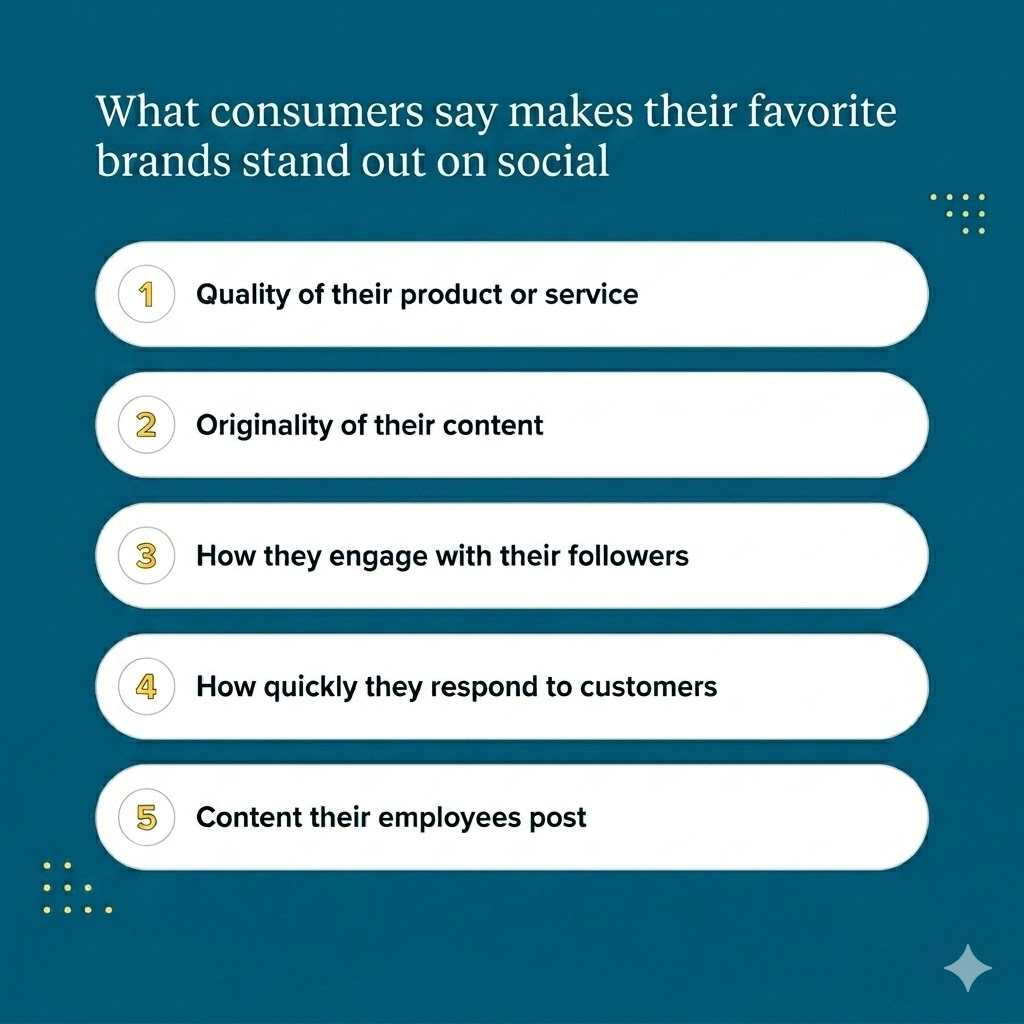
Here are some useful tips for improving results:
- Post consistently
- Use high-quality visuals
- Focus on audience needs
- Follow social media trends
- Use hashtags wisely
- Monitor competitors
- Create mobile-friendly content
- Track analytics regularly
These strategies help businesses grow their online presence effectively.
Conclusion
Social Media Marketing is one of the most effective ways to grow a business in the digital age. It helps brands connect with audiences, improve customer relationships, increase visibility, and generate sales. However, success requires planning, consistency, creativity, and audience understanding.
By following the 9-step SMM strategy discussed in this article, businesses can build a strong online presence and achieve long-term marketing success.Businesses that invest time and effort into Social Media Marketing can gain a competitive advantage and build stronger connections with customers in today’s fast-changing online world.